Viewing Shimizu Port Through the Lens of the House of Representatives Election (Shizuoka 4th District)
 C.H.
2026年2月16日
C.H.
2026年2月16日
Considering the Future of Shimizu Port: Cruise Tourism and Sustainable Growth
Issues Surrounding Shimizu Port Brought to Light in the Election
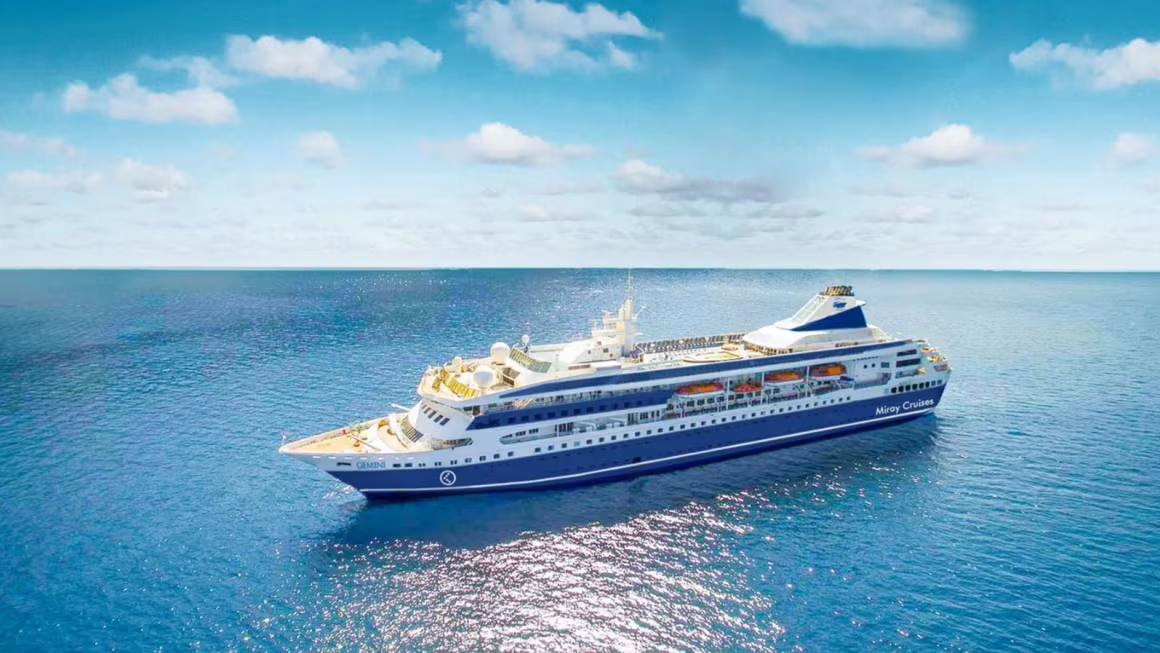
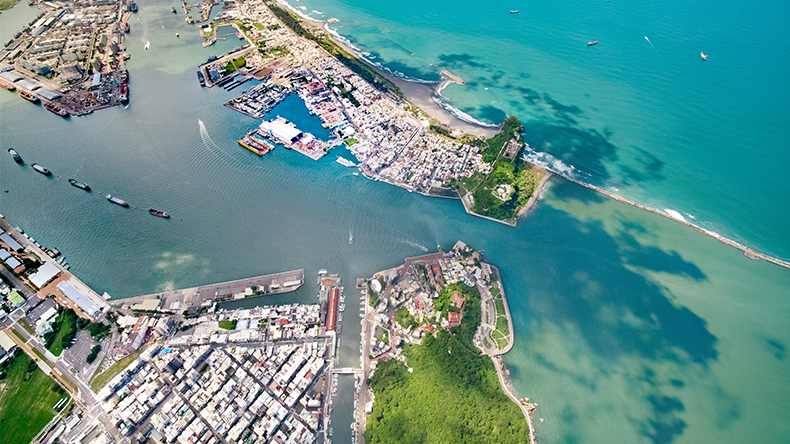
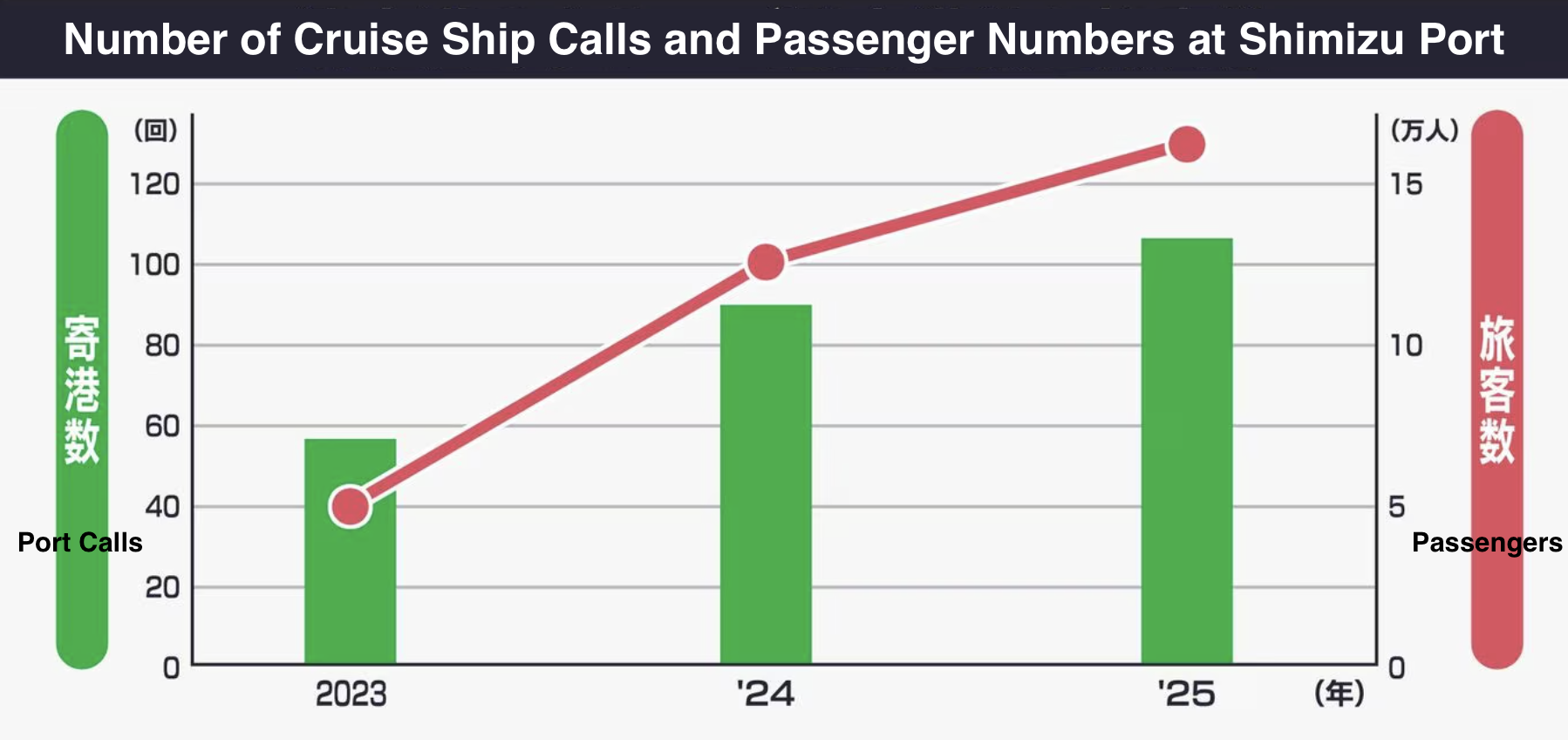
Ahead of the 2026 House of Representatives general election, one of the central topics in Shizuoka’s 4th district election was how Shimizu Port should be utilized for a forward-moving future. As the only international hub port in Shizuoka Prefecture, Shimizu Port has long supported regional logistics. In recent years, however, a noticable number of cruise ship calls has increased significantly, strengthening its role as a gateway for tourism.
In 2025, the port recorded a historic high of 105 cruise ship calls, welcoming approximately 160,000 cruise passengers and as a response to this growth new initiatives have begun to emerge, including the incorporation of local manufacturing and craft experiences into cruise passenger tour programs. Such efforts like these aim to translate rising visitor numbers into tangible vibrancy for the local community. At the same time, several challenges have been pointed out, with visitors having noted that sightseeing routes after arrival are difficult to navigate, and that there are limited places to visit in the immediate port area. As a result, improving the surrounding infrastructure and strengthening reception systems have become key issues for the future.
The four candidates who ran in Shizuoka’s 4th district each presented distinct visions for the port’s development: transforming it into an international research hub, enhancing tourism facilities and infrastructure, developing cultural institutions to communicate Shimizu’s history and heritage, promoting redevelopment around the station area, and even proposing plans for a new stadium. Despite differeing proposals from each sides, a synchronized question emerged: how should Shimizu Port’s considerable potential be cultivated into lasting urban appeal?
Following the election results for Shizuoka’s 4th district, Yoichi Fukazawa of the Liberal Democratic Party won with 87,880 votes, securing 51.7%. Meanwhile, Ken Tanaka of the Democratic Party for the People obtained 61,791 votes, securing a seat through the proportional representation system.
As cruise ship arrivals increase and new flows of people are created, the critical issue is whether this vibrancy will remain temporary, or whether it can be nurtured into a foundation for the region’s long-term future. Today, the very identity of Shimizu Port is being reconsidered. Beyond tourism statistics and economic impact, there is a need to reflect on everyday life, local culture, and the relationship with future generations.
From this perspective, CruiseWorld revisits cruise tourism centered on Shimizu Port and reexamines what “sustainable growth” truly means.
Rethinking Cruise Tourism in Shimizu: CruiseWorld’s Perspective on Sustainable Growth
As cruise tourism continues to expand at Shimizu Port, attention is increasingly turning to how this growth can be guided in a balanced and meaningful way. From the perspective of CruiseWorld, the discussion does not only center around increasing visitor numbers, but about designing a tourism model that supports society, respects local identity, and remains sustainable over time.
One of the most immediate challenges is how to ensure that tourist activity is distributed more evenly across the area, as cruise passengers often follow limited, well-known routes, which can concentrate people and spending in just a few locations. With thoughtful planning, such as through transportation incentives, curated travel pathways, and clearer communication, there is an opportunity to encourage visitors to explore beyond the port area and engage more deeply with the city and its surrounding communities.
Not only does cruise tourism brings together a wide range of stakeholders (cruise operators, government bodies, transport providers, and locally owned businesses such as shops, restaurants, and hotels), these stakeholders collaborate effectively, enabling city development to extend beyond physical infrastructure and create space for innovation. Through this, we see strong potential for new startup opportunities, both from within Shizuoka Prefecture and from outside, particularly in services that connect tourism, logistics, technology, and local production, akind of collaboration reflects the intent of SDG 17: Partnerships for the Goals.
From an economic perspective, changes in cruise passenger spending including food, beverages, and miscellaneous services may require the development of new supply chains and operational systems. Rather than relying on external sourcing, cruise tourism could support a stronger “locally produced and locally consumed” model. Achieving this, however, depends on accurate data collection on visitor demand, consumption timing, and purchasing behavior to align local supply with real needs. When supported by data-driven systems, this approach can contribute meaningfully to SDG 8: Decent Work and Economic Growth, not only by increasing revenue, but by improving the quality and resilience of local economic activity.
As we all know, for such plans, transportation becomes a central role in making this ecosystem work. Sustainable tourism depends on mobility systems that serve both visitors and residents. Integrated routes, incentives for low-impact travel, and seamless connections between the port and the city to help tourism infrastructure function as part of everyday urban life. When designed carefully, transportation systems can become tools for dispersing visitors while improving local convenience.
Another crucial aspect points to cultural sustainability. Part of the city’s identity, Shimizu’s local specialties, industries, and history are not simply tourism resources. The challenge lies in how residents can enhance the appeal of these local characteristics while preserving their original meaning. Where growth does not necessarily have to replace what already exists, instead, it can build upon it, allowing identity to evolve without being lost.
Then coms in social media, adding another layer to this discussion. Content shared by tourists increasingly influences future travel behavior, sometimes creating sudden popularity that local systems are not prepared to handle. Sustainable destination management therefore requires proactive storytelling, guiding attention intentionally rather than responding reactively after trends emerge.
From the standpoint of CruiseWorld, sustainable tourism is not defined solely by financial performance. It is about maintaining a clear identity, a true unique selling point, while ensuring that tourism continues to serve society as a whole. Sustainability, in this sense, is not a final destination, but an ongoing process of adjustment, collaboration, and dialogue.
This leads us to a broader question we continue to reflect: what does sustainable tourism truly mean?
Can Shimizu City grow as a cruise destination while remaining recognizably itself? Can it design systems that prioritize long-term social value over short-term gains? We believe the answers lie not only in policy or infrastructure, but in collective decision-making and shared responsibility.
We invite you to reflect with us.
What kind of tourism future do you want to see for Shimizu?
Source:
TBS NEWS DIG
https://newsdig.tbs.co.jp/articles/-/2441411?display=1
読売新聞オンライン
https://www.yomiuri.co.jp/election/shugiin/YA22XXXXXX000/004/
投稿者プロフィール
- C.H.