(In this article, Taiwan Railways Administration is a state-owned Taiwan Railway Corporation and will be refered to as TRA)
Just Another Station Lunch?
Ever heard of bentos?
If Japan comes to mind, you’re not wrong, but Taiwan has its own bento tale that takes place in the middle of the country’s busiest train stations.
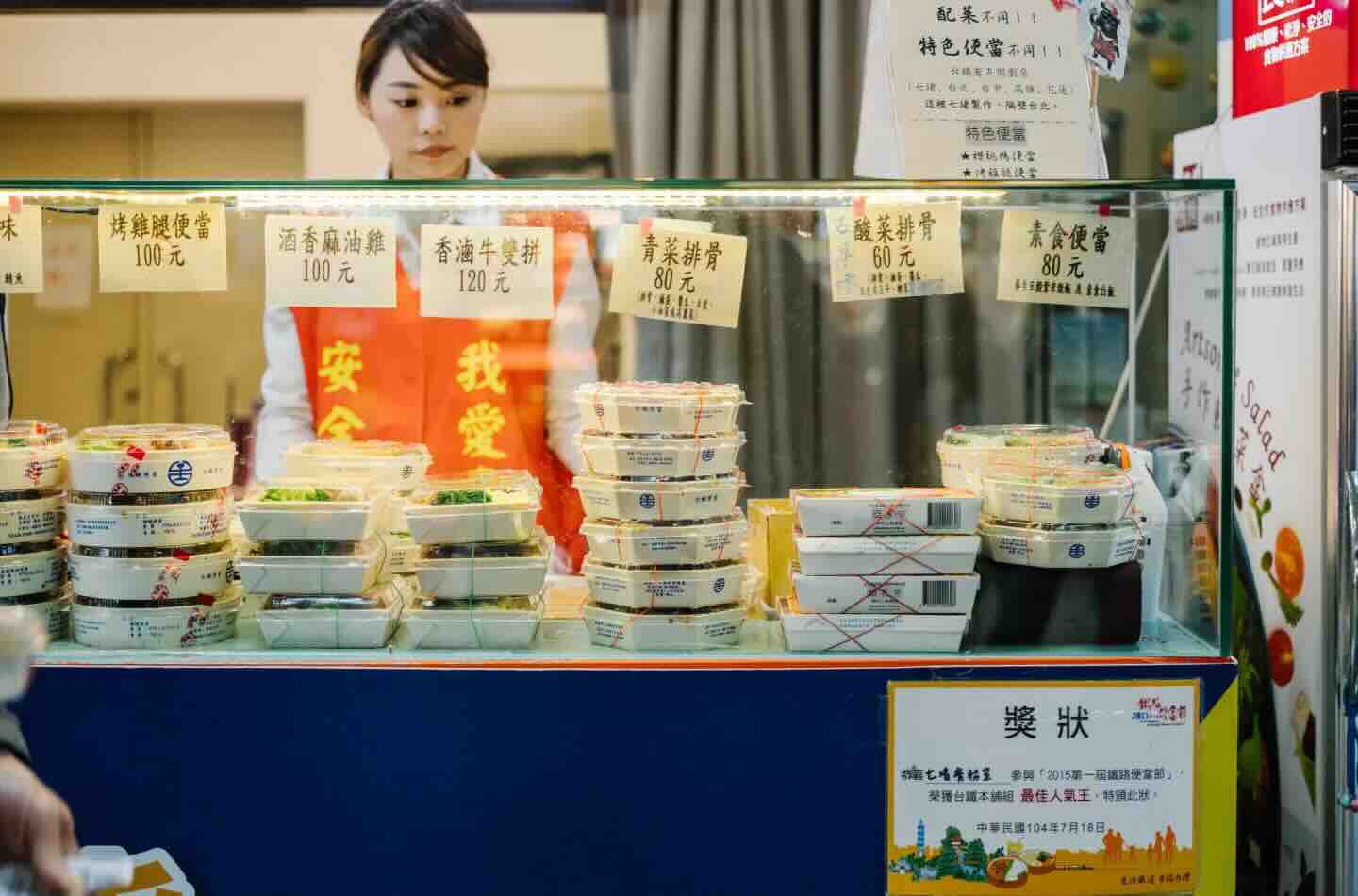
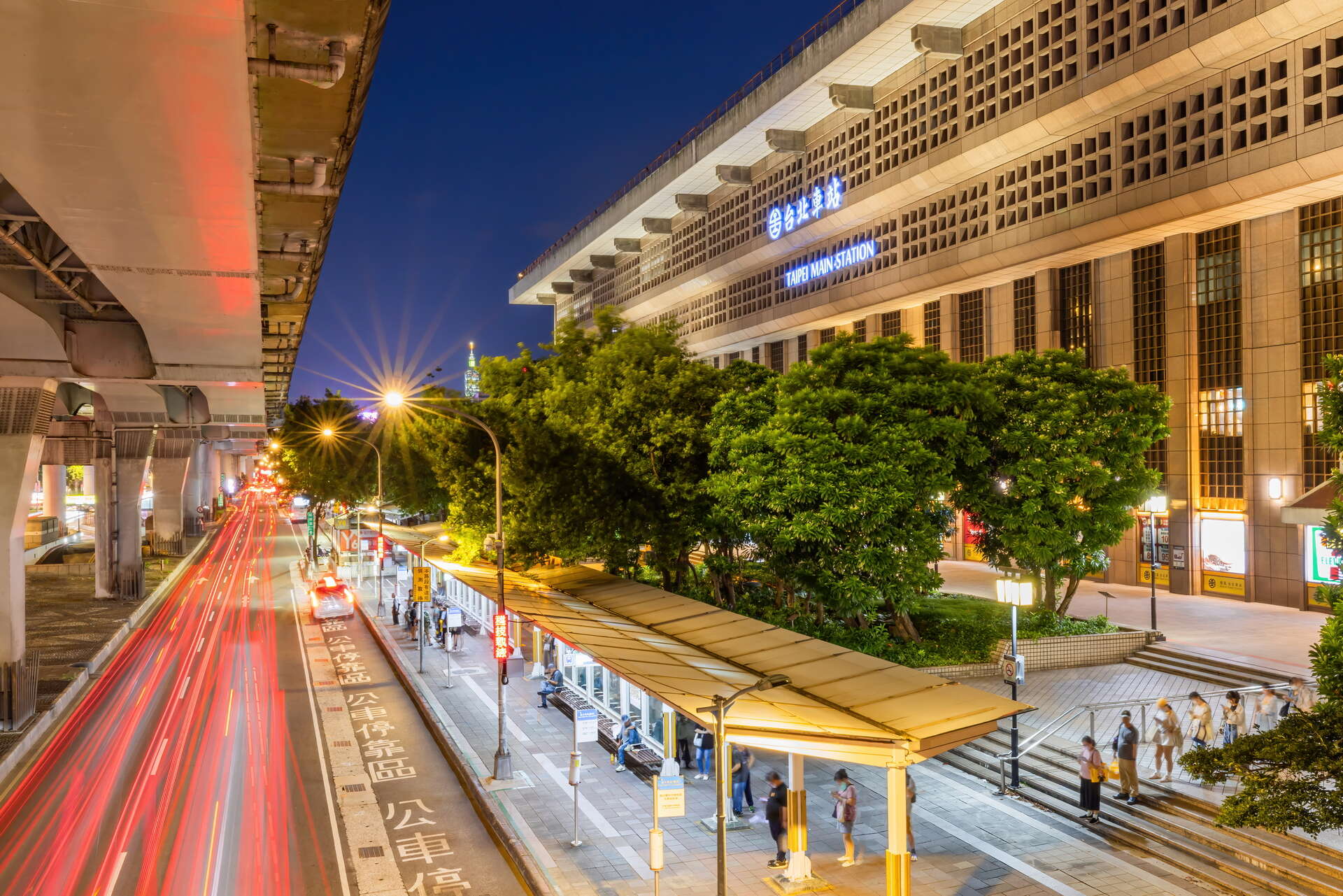
Picture yourself standing in Taipei Main Station, encircled by movements that only those who travel by train can appreciate. Elevators make a humming sound, and with meticulous practice, trains arrive and depart. On the way from the ticket gates to the platform, you see something you’ve seen before: piles of 台鐵羿當 (Taiwan Railways bentos), or basic lunchboxes filled with rice, veggies, and a nourishing main. No flashy packaging nor big displays, just rows of calmly dependable meals without any ostentatiousness.
With the good price and array of ingredients, you purchase one without giving much consideration. Nothing special here, it’s simply station food after all… right?
But here’s a fact for you. Railway bento in Taiwan has a lengthy history, originally created to satisfy the hunger of long-distance passengers on the go, now evolved into more of a part of the national psyche, linked with everyday commuting, school trips, and family vacations than tourism.
What if, however, this seemingly mundane bento, consumed while rushing from one station to another or on a train, subtly echoes much bigger ideas? On the principles underlying the United Nations’ Sustainable Development Goals (SDGs) and the notion of local production for local consumption, without ever announcing itself as “sustainable”?
In Taiwan, messages of sustainability do not necessarily come with slogans or catchphrases but quietly, in a warm, familiar bento box, moving alongside the people and the city.
More Than “Station Food”: What Taiwan’s Railway Bentos Really Are
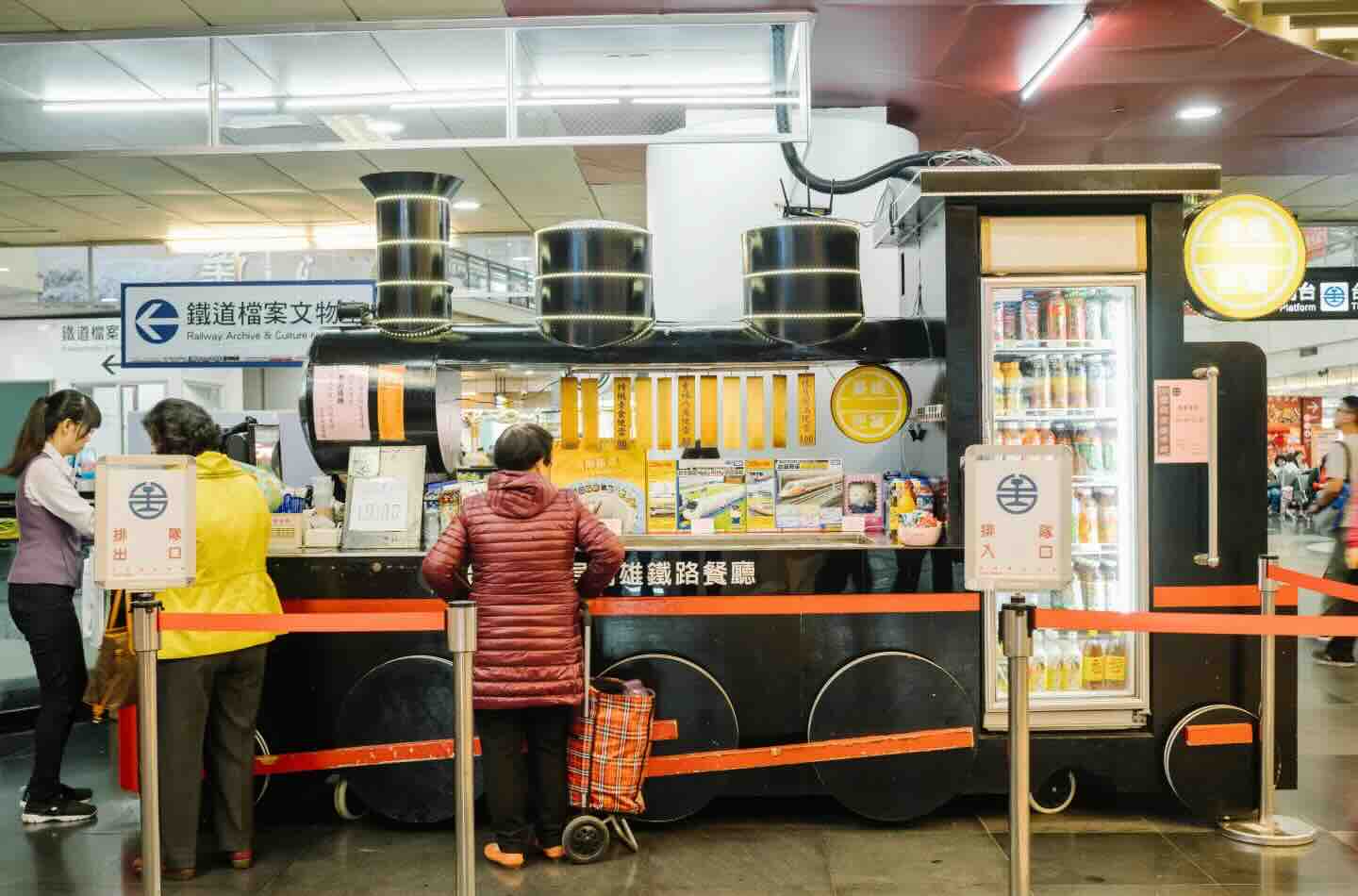
(An official TRA bento shop at Taipei Main Station / by Chen, 2019)
You can find these train bentos everywhere in Taiwan. The Mandarin term “Bian dang” means “convenient food.” Made and marketed by the Taiwan Railways Administration (TRA), the most famous station bento boxes in Taiwan were originally made to assist long-distance travelers but have since evolved into a cultural icon associated with mobility in general.
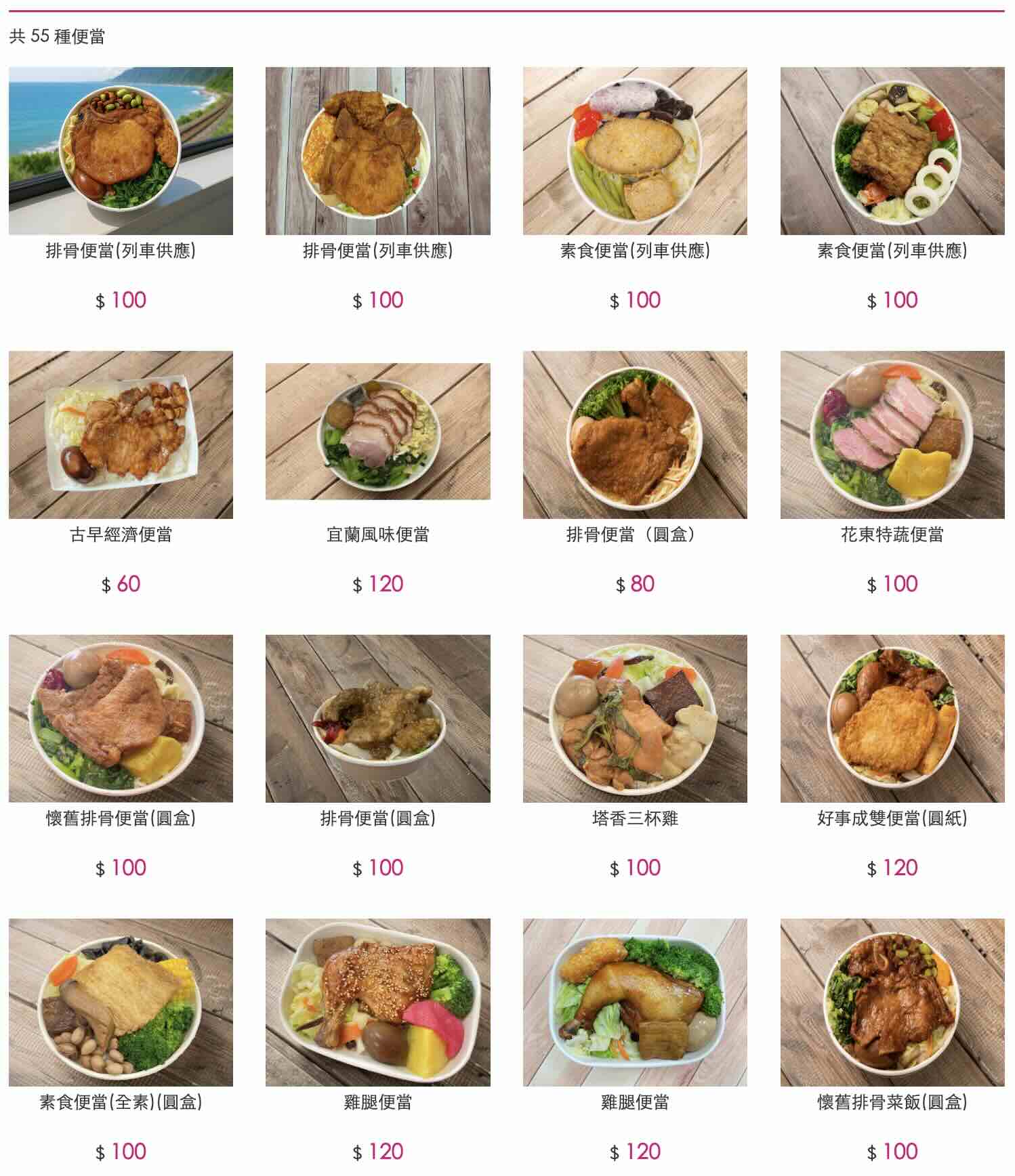
Costing between $50 and $100 TWD ($2 to $3 USD), these bentos are beloved by many. These days, you can find TRA bento stores at key train stations in Taipei, Taichung, Kaohsiung, Hualien, and Taitung, among others. With Taipei Main Station as the landmark example of an integrated transport hub since it serves as an intersection for the metro, high-speed rail, and railway systems. Rather than a trinket, railway bentos have become an integral part of people’s everyday routines in Taiwan, much like the metro.
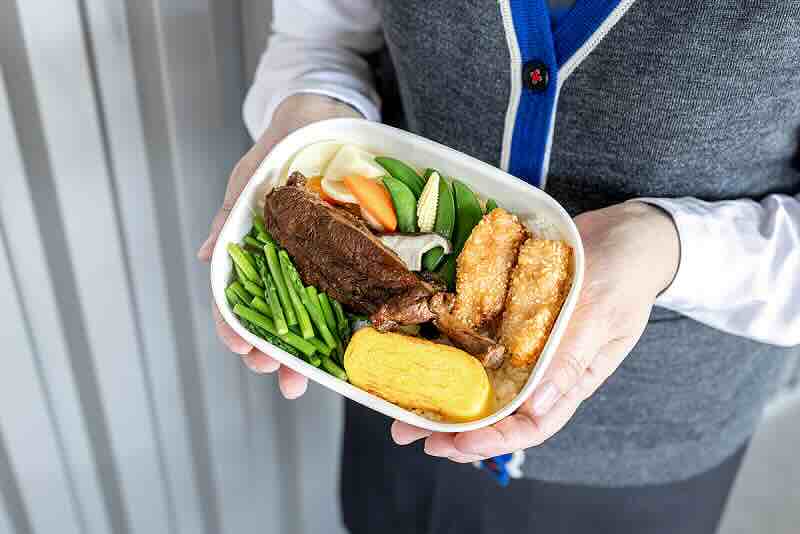
On purpose, a TRA bento is simple. Rice as the foundation alongside seasonal vegetables, a protein source (like pig, poultry, fish, or eggs), and all harmoniously finished with simple seasoning and familiar Taiwanese flavors. This lack of complexity is deliberate. No dramatic sauces, no over-decoration, just food that feels recognizable the moment you open the lid.
This allows for the bento to remain affordable, efficient to produce, and easy to eat on the go. Beyond that, it transforms the bento into something you can eat daily rather than saving for special events, which is its ecological appeal in today’s fast-paced city.
TR Bento Menu
Currency displayed in “$” refers to New Taiwan Dollar (NTD)
For more information please visit Taiwan Railway Official Site
(100NTD ≒ 500JYP)
Local Production for Local Consumption—Hidden in Plain Sight
Typically, when you hear the phrase “local production for local consumption,” you may imagine farm-to-table restaurants or rural markets tucked away in the countryside. A packed, noisy, and fast-paced train station rarely makes the cut. This idealistic picture appears totally unrelated to the concept of a station bento at first sight.
However, in terms of structure, both are rather surprisingly identical.
Rather than relying on a single centralized production facility to supply the entire island, Taiwan Railways Administration (TRA) operates through local catering divisions, producing bento boxes close to where they are ultimately sold, sourcing local produce and resources. Food can be prepared close to its place of consumption and has its own unique function in the preparation and distribution process. As a result, transportation distances are reduced, and the link between food preparation and local supply networks is maintained.
Menus are also far from entirely uniform. Classic bento alternatives are always there for familiarity’s sake, but seasonal and regional variations subtly pop up based on where you are and what ingredients are in season. The long-running Taiwan Panorama magazine has included regional bento samples that showcase local duck or ingredients closely linked to specific places in their coverage of Taiwanese culture and daily life. A glimpse at how even standardized station cuisine is influenced by local flavors.
At this point, the railway bento starts to really shine. In addition to being a tasty meal, it doubles as a culinary tour of Taiwan, serving as an edible map of Taiwan. Beyond just a meal, each bento embodies a local, regionally structured supply chain that links farmers, kitchens, stations, and travellers through ordinary consumption.
For the Train Lovers: Bentos as Mementos
Perhaps a train enthusiast?
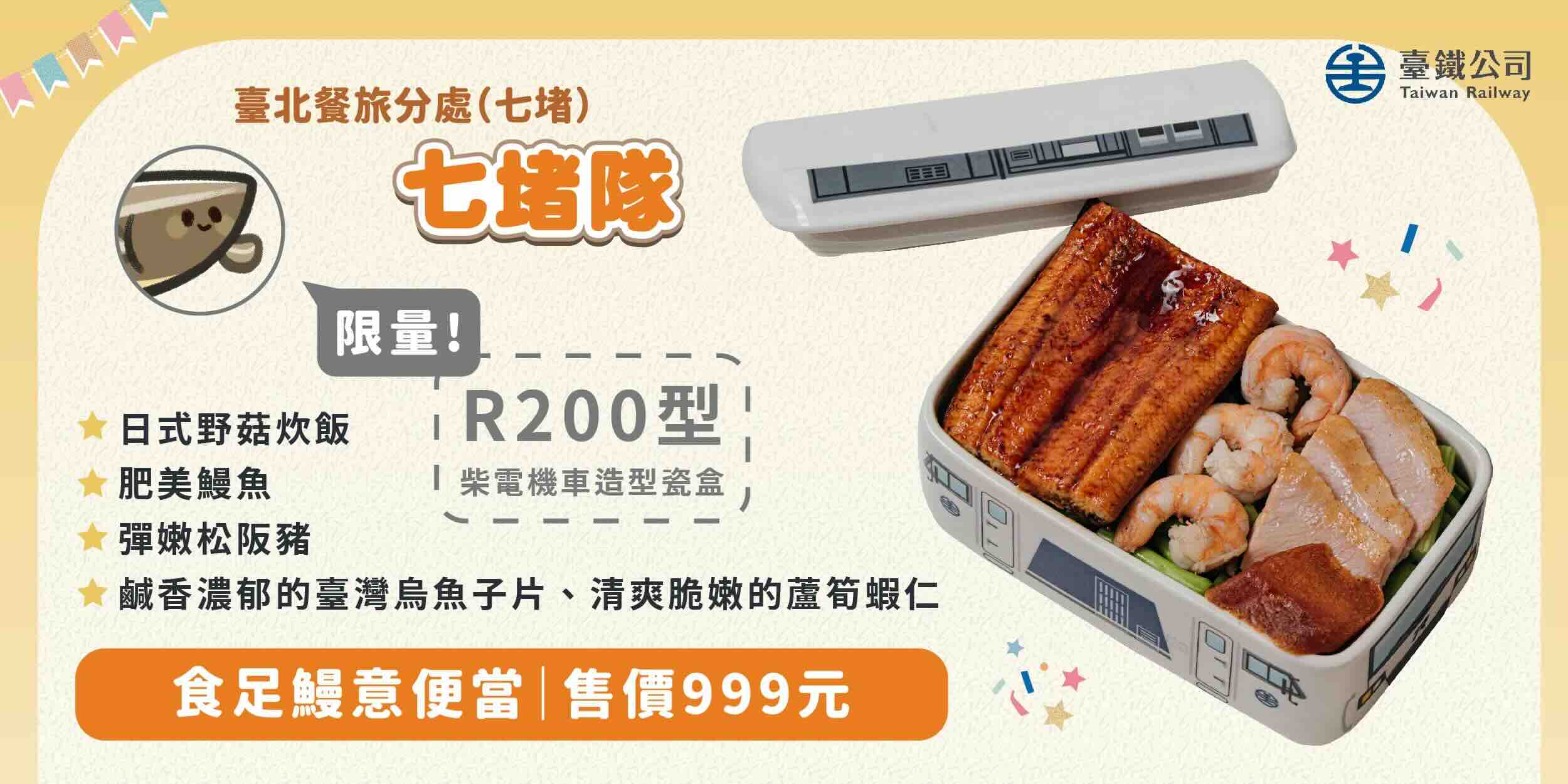
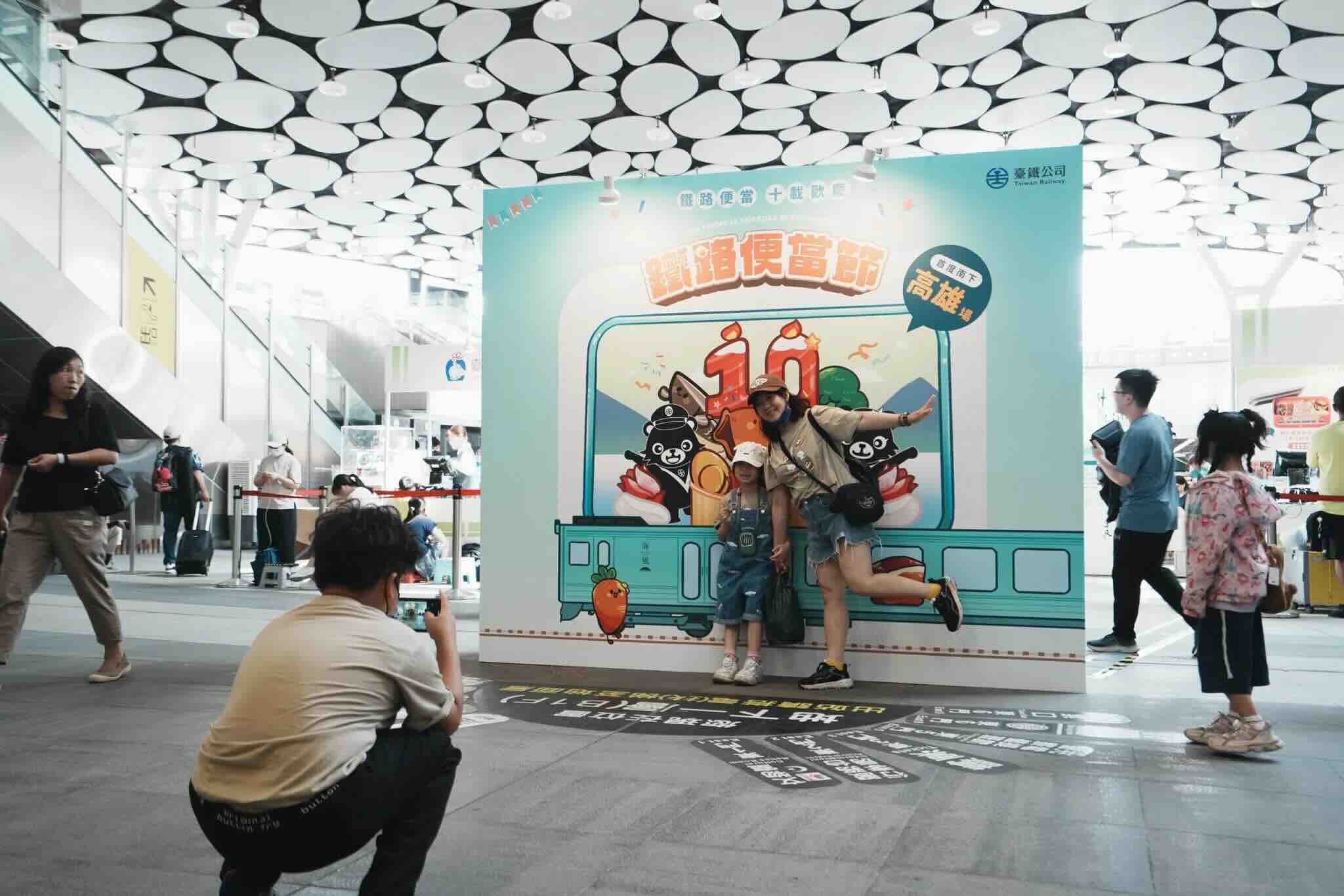
Besides deliciousness, there’s more to Taiwanese station bento tradition that railway fans and collectors can enjoy. At the Formosa Railroad Bento Festival in 2025, Taiwan Railways launched a ceramic train bento lunchbox, elevating lunch to the status of a limited-edition collectable. This yearly festival blends food culture with nostalgia.
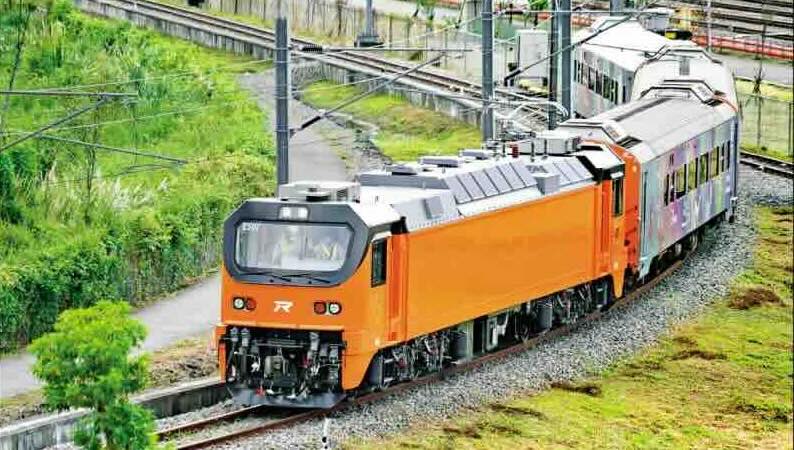
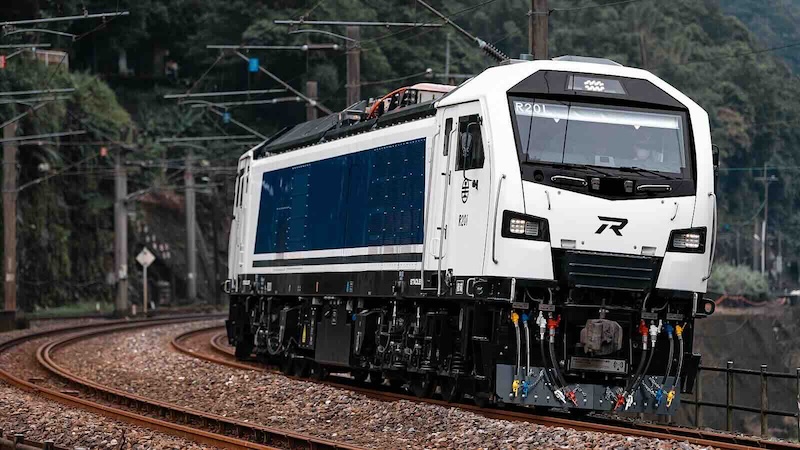
Modelled after the E500 and R200 train, the limited-edition bento containers offer another alternative, packed with Grade A5 Wagyu beef and premium seafood, alongside other healthy options with fresh local ingredients.
A light-hearted nod to the fact that bento boxes in Taiwan transport more than just food, holding memories, tales, and a common appreciation for rail culture. The uniqueness of this bento will stay with you long after you’ve eaten it, whether you’re a die-hard railfan, a foodie, or just someone who loves unusual travel finds.
For those interested in upcoming events and releases, please make sure to check out Taiwan Railway’s Bento Festival Instagram page.
Where SDGs Enter the Picture
SDG 12: Responsible Consumption and Production
At first glance, though not immediately noticeable, TRA has a specific initiative that fits SDG 12: Responsible Consumption and Production perfectly. This initiative involves reusable/circulating lunchboxes (“循環餐盒” in Chinese) with a deposit-and-return process, where “passengers can choose to purchase or rent reusable meal boxes and return them to designated locations for cleaning and reuse after their meals.” Unlike today’s bentos, which are typically sold warm in cardboard or light wooden cartons, Taiwan has already been on the train of sustainable food containers since the 1960s to 1970s, when buyers could return the reusable metal tins that held their Taiwanese bentos to the vendor after each use.
SDG 11: Sustainable Cities and Communities
Small to the eye but big in difference, have you ever thought about how these mere bentos could be another highlight of Taiwan’s rail and metro networks? Such small daily bentos might just be one of the pillars of SDG 11: Sustainable Cities and Communities, linked to the importance of sustainable urban infrastructure, not leaving out public transportation. Often cited as an example of efficient public transit, the presence of affordable, local food within stations supports that system. In instances when people can move through cities using public transport and access simple meals without resorting to global fast-food chains, urban life becomes more sustainable at a very practical level.
SDG 8: Decent Work and Local Economies
From kitchen staff preparing meals in regional catering centers, to logistics workers coordinating deliveries, and station vendors ensuring bentos reach travelers on time, the railway bento sustains a web of stable, everyday employment. What makes this system particularly aligned with SDG 8: Decent Work and Economic Growth is its consistency. Rather than being seasonal novelties or trend-driven pop-ups, bentos are part of a reliable, long-term demand tied to daily commuting and domestic travel, it is a steadiness that supports regular working hours, skill-based food preparation, and ongoing employment within the public transport ecosystem. Rather than outsourcing production entirely or relying on short-term labor, the bento system embeds food work into Taiwan’s public infrastructure, treating it as an essential service rather than an afterthought.
Depending on the season and the station of purchase, you may stumble upon a variety of combinations, reflecting the current seasonal harvest and the specialties of the region.
Why Station Bentos Matter for Ethical Tourism
What Is Ethical Tourism?
Ethical tourism is about enjoying a journey while caring for the people and environments that make that journey possible. It goes beyond simply going, seeing, and consuming, while asking a question: Can my trip be good for someone else, too?
From choosing local eateries and respecting cultural customs to making environmentally conscious decisions, small actions add up. With just a bit of extra awareness, travel can become more than a personal experience, becoming a meaningful exchange that helps carry a place forward into the future.
Where Train Travel and Station Bentos Meet
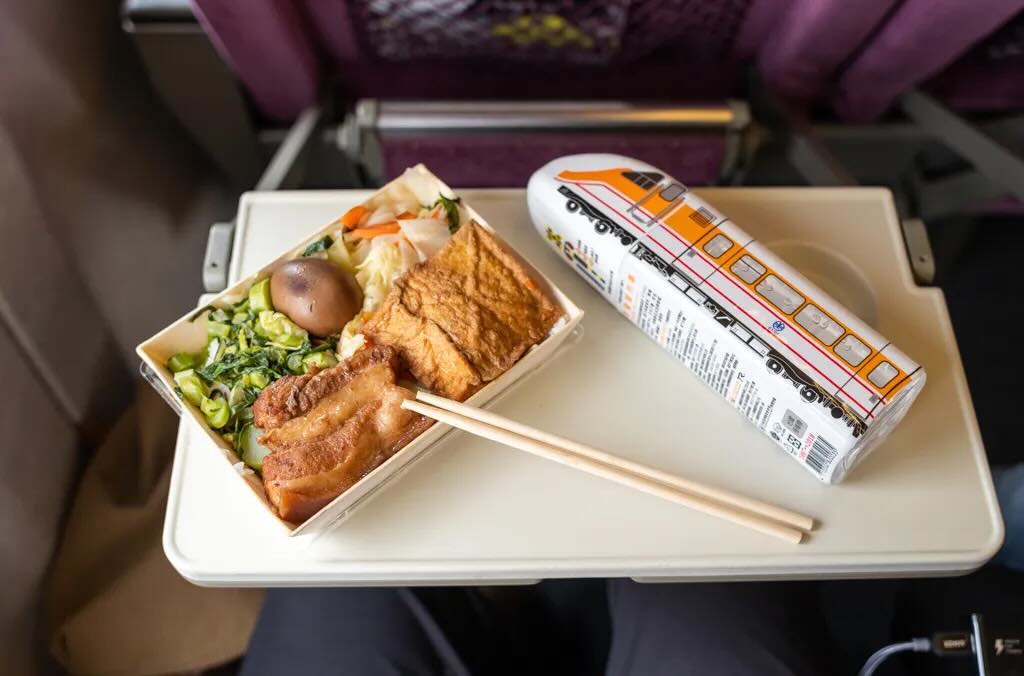
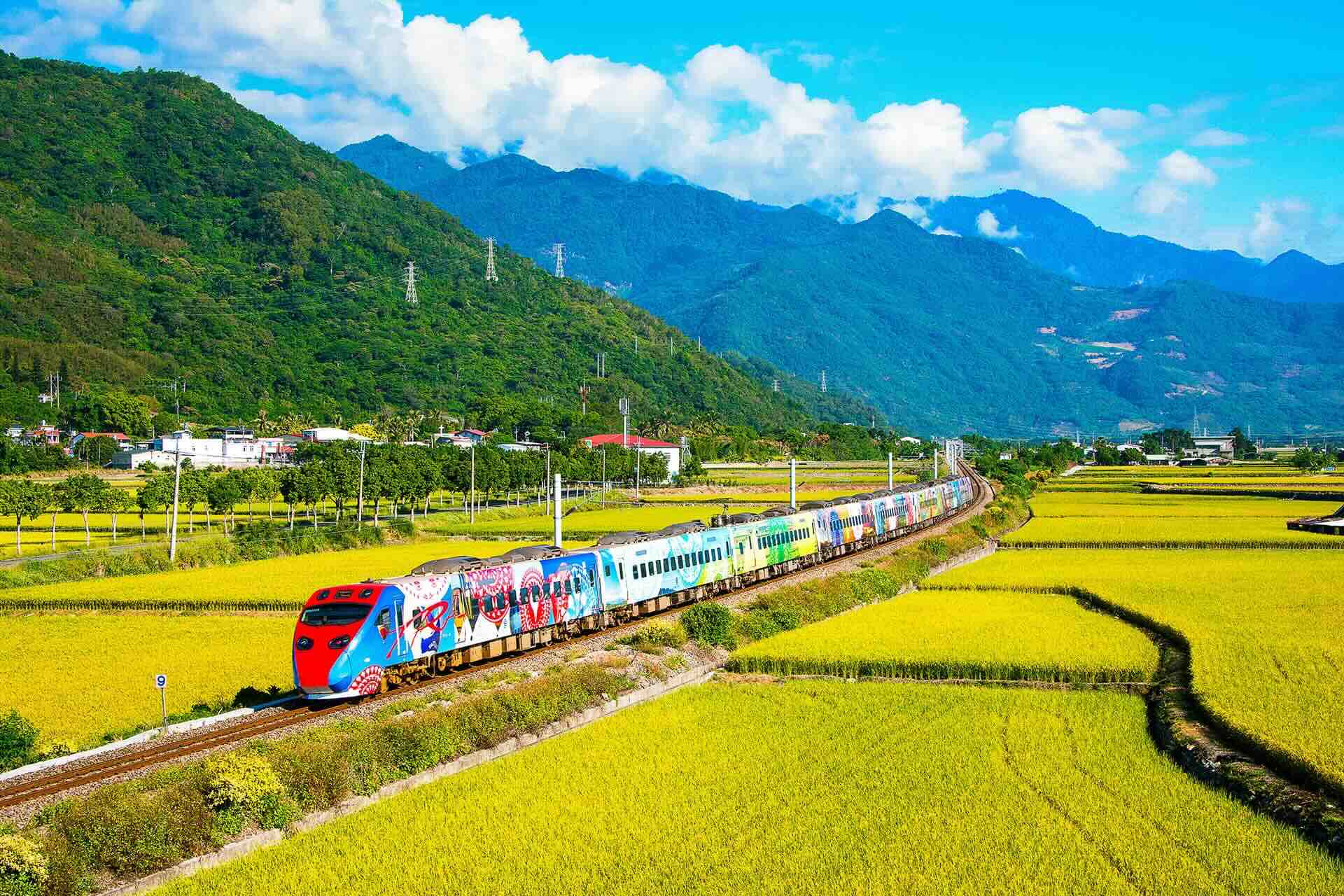
Why not let a station bento be your excuse to hop on a train to Taitung? In Taiwan, rail travel is not only one of the fastest ways to get around, but also one of the most scenic. As mountains give way to ocean views outside the window, a simple bento meal starts to feel unexpectedly nostalgic, in sync with the rhythm of the journey.
These station bentos aren’t just designed for tourist attractions, they are everyday food, made within local communities and long intended for local people. By contrast, many “local food experiences” marketed to visitors gradually become stylized to meet demand. They can certainly be entertaining and culturally meaningful, but they also tend to reshape habits, adjust prices, and emphasize visual appeal. Sometimes at the expense of authenticity.
Station Bentos: Made for Daily Life, Not Tourism
This is where station bentos quietly stand apart. They were never created with tourists in mind. For decades, commuters, students, families, and long-distance travelers across Taiwan have relied on railway bentos as part of their daily routines, long before they appeared on travel blogs, news articles, or social media feeds.
Their appeal lies in their consistency: affordable prices, familiar packaging, and no unnecessary flash. Locals don’t pause to photograph them. They simply eat, finish up, and move on.
Stepping Briefly into Local Life
From an ethical tourism perspective, that ordinariness matters. Choosing a station bento means momentarily stepping into an existing system of everyday life. Revenue flows back into a food network embedded within public transportation. Prices remain grounded, rather than inflated for visitors. Supply chains are shaped by real, local needs. In that sense, picking up a station bento becomes a small but meaningful act, instead of observing from the outside, travelers briefly participate. Rather than chasing an experience designed to represent Taiwan, they live within one, tasting the city as fundamental form.
Sometimes, ethical travel doesn’t look like a grand gesture at all. Sometimes, it looks like opening a warm bento box on a moving train, and realizing that the most honest way to understand a place is simply to share in its everyday rhythms.
Limits, Trade-Offs, and Realism
At the end of the day, placing all sustainability expectations on a station bento would be a leap in logic. Issues with packaging waste persist, the need for efficiency in operations is paramount, and cost constraints can make it difficult to pursue extensive changes. Striking a balance between environmental principles and the practical demands of daily travel is essential when running a food system within a busy train network.
However, sustainability does not come from achieving perfection. It develops from mechanisms that regular people are both willing and able to use. Taiwanese station bentos subtly stand apart in this regard. These bentos do not push people to drastically alter their eating or travel habits, but instead blend seamlessly into everyday life, which is their greatest asset. Travelers depend on them for convenience, commuters buy them habitually, and families share them on long journeys. Their familiarity is what enables them to endure over time. The station bento serves as a useful reminder that small, consistent actions can have a greater impact than large-scale initiatives.
A Quiet Lesson in Sustainable Travel
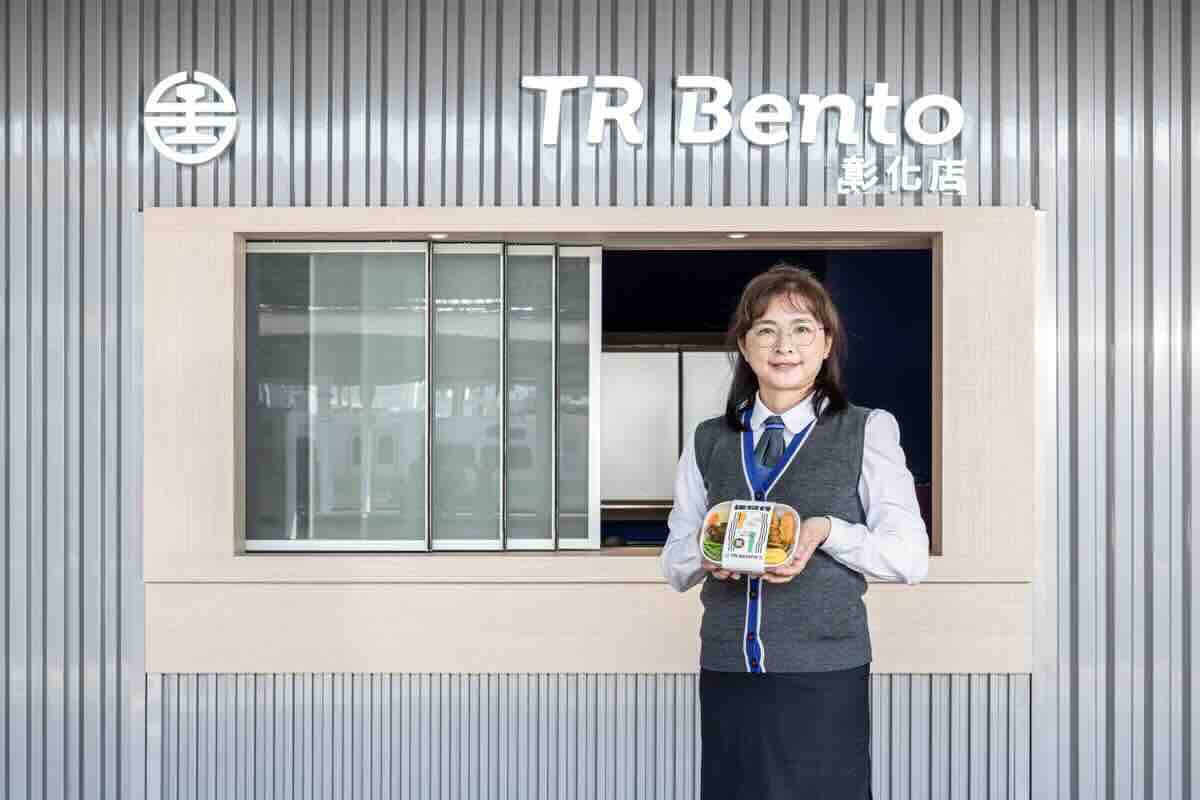
(The “Flavors of Mountains and Seas” (饗味山海) railway bento boxes sold at the Taiwan Railway bento shops in Taichung Station, Changhua Station, Hsinchu Station, and Xinwuri Station of the Taiwan High Speed Rail / by Feng Yu)
For travelers, supporting local production does not always require special detours or carefully planned experiences. Sometimes, it simply happens during the short train stops.
Not only does opting for a station bento help sustain food systems that are already embedded in the local community, but it also fosters a more profound appreciation of a place by encouraging closer attention to regional menu variations. Travel becomes an interactive experience rather than an extractive one when everyday culinary practices are treated with the same reverence as famous landmarks, so that eating a warm bento between stations in Taiwan offers a subtle but valuable lesson, where consistency is key to sustainability. Ethical decisions become second nature once they are woven into daily routines.
References:
Discovertaitung. (2025, July 28). Taitung Railway Travel Guide – Scenic train Journeys – Discover Taitung. Discover Taitung. こちらから
THE 17 GOALS | Sustainable Development. (n.d.). こちらから
國營臺灣鐵路股份有限公司. (n.d.). 國營臺灣鐵路股份有限公司. こちらから
Jason. (n.d.). 850_2040. Flickr. こちらから
Taiwan Railways (Taipei Main Station). (n.d.). Taipei Travel. こちらから
Chen, K. (2019, March 6). Even train rides are a chance to eat outrageously well in Taipei. Eater. こちらから
自由時報電子報. (2023, October 27). 獲日本「優良設計賞」台鐵E500新電車現身. 自由時報電子報. こちらから
Ibudhi. (2025, February 13). 循環餐盒台鐵也在用!快看看循環餐具到底在夯什麼? – Loopick 循拾 | 餐具租借 x 環保外送. LooPick 循拾 | 餐具租借 x 環保外送. こちらから
邱家琳. (2025, June 5). 【攤位圖】限時 4 天!2025 台鐵便當節在北車登場、打造主題餐廳 造型陶瓷便當必吃、精釀啤酒免費試飲 — 上報. Upmedia.mg; 上報. こちらから
楊士慧. (2025, October 8). 2025台灣設計展限定!台鐵「饗味山海」便當雙十開賣. Newtalk新聞. こちらから
AI tools were used to assist with the translation of this article.
投稿者プロフィール
- C.H.